
Genre Sponsorships on Goodreads
Turning a struggling ad product into a premium partnership
Systems Design • Growth Strategy • Project Management • Storytelling
Overview
When I first joined the Goodreads, a significant portion of advertising revenue came from premium ad campaigns called 'microsite'. Essentially, the ads team would build a Goodreads page that collected a variety of relevant content from across the site focused around a sponsor. Often there would be a time-bound event, like a book giveaway, to drive engagement on the page.
For example, the SyFy channel promoted its television adaptation of The Expanse with a microsite event. The page featured a trailer of the series, a book Giveaway, and a curated list of recommended books for fans of The Expanse. A discussion forum prompted discussion about the first episode of the series.
Microsites had no fixed structure, and each was essentially built from scratch every time. So when I joined the Goodreads Ads team, my design directive was to reduce the engineering cost of producing this ads product through feature templatization.
Project Goals
Offer value to premium advertisers through a more successful promotional ad product package, while reducing the variable costs of producing these campaigns.
Timeline
Q3 2016 - Q1 2017
Role & Responsibilities
As Lead Product Designer for the Revenue team, I was responsible for:
Leading the design vision for our cross-platform premium ad campaign products.
UI/UX design for programmatic ads and ‘endemic’ native advertising across Goodreads web and app platforms.
The Problem
My initial design assignment was framed as a scalability challenge: Design a template that help microsites be deployed with less design and engineering overhead, while remaining customizable.
However, in researching the project I determined deeper design challenges and bigger opportunities. Microsites were not delivering the ROI necessary to retain major advertising partners, and the product required fundamental structural change.
Traffic Bottlenecks
Even if their cost was optimized, microsites had a ceiling on their growth potential. Microsites had no natural home in site nav or information hierarchy, so traffic was driven by promotions on the site home page. The cost of driving traffic to the pages themselves functionally limited the total rate of microsite campaigns.
Visitors to this page might watch the trailer for The Shack, but they might also read the blog or browse the 10 other books linked on the page. Those activities were not effectively tracked or monetized as part of the campaign’s success metrics.
A diagram I produced analyzing the systems design of the existing microsite product.
Engagement Cannibalization
Once on a microsite, competing calls-to-action interfered with one another. On-page engagement was promoted as a success metric, but for practical purposes, the client was most interested in click-throughs to their own site.
The Solution
I proposed that we develop a premium ‘takeover’ that used a combination of native and IAB ad formats. This extensible ‘page skin’ could be easily applied to most pages on our website. Rather than build a new microsite page and cannibalize ad revenue to drive traffic to it, we would bring the campaign to existing organic traffic where it already existed.
This would enable our ads team to sell tranches of pages as a package suite. For example, a client like Walt Disney, interested in promoting a film based on a children's author, could run a campaign that displayed on all books of that author. Or they could expand the campaign to include all pages related to the 'Children's Fantasy' genre. Why stop at one genre? This strategy allow for targeted campaigns of flexible cost and scale.
A diagram demonstrating the interconnected traffic flow of the new product proposal. In the old design, only microsite page views were counted as impressions, but with the new model, impressions can be tracked across multiple pages within a user session.
Internal Alignment
This concept was a significant alteration of my initial design directive, so I advocated internally for the strategy. One chief concern was that it reduced our programmatic advertising capacity, so my product partner collected pricing and traffic data to prove that these cross-page campaigns would result in a net profit growth compared to the original product.
Next, we collaborated with Engineering to estimate the work involved execute the proposal, compared to the ongoing scope of work budgeted for the team.
With this information in place, we took our proposal to leadership. After earning the trust of our VP of Advertising, together we presented the strategy to the CEO overall leadership team of Goodreads.
For the proposal, I built an elaborate prototype demonstrating a hypothetical “Romance Week” sponsored by the recent 'Fifty Shades Darker' film adaptation. The prototype allowed us to walk stakeholders through a stereotypical user story of a romance reader visiting Goodreads and experiencing a campaign, and allow them to experience it themselves on their desktop or phone.

Leadership loved the proposal, and work to make Genre Sponsorships on Goodreads a reality began immediately.

Execution
The main features requiring my design were:
A custom page skin template that integrated across desktop and mobile without interfering with native page content.
A native ad format that could slot into campaign pages and feature sponsored editorial content.
An internal tool for targeting and tracking pages designated for a campaign.
Additionally, I compiled and published a prospectus identifying all the unique creative assets required to conduct a campaign. This would go on to be used by visual designers from both our internal Editorial team and our client's creative teams.
Collaboration with Editorial Team
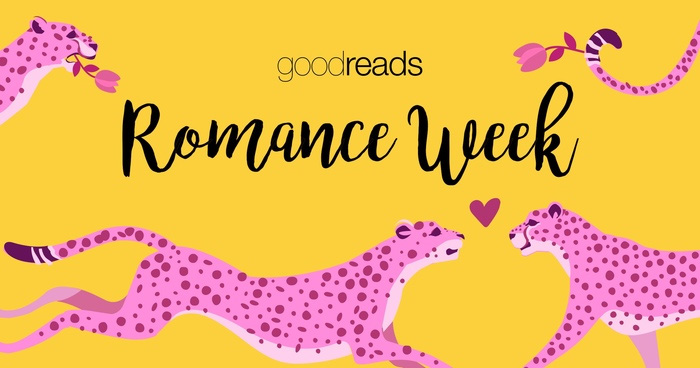
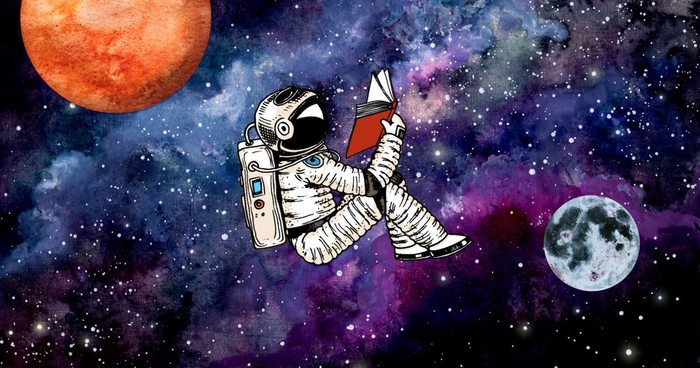
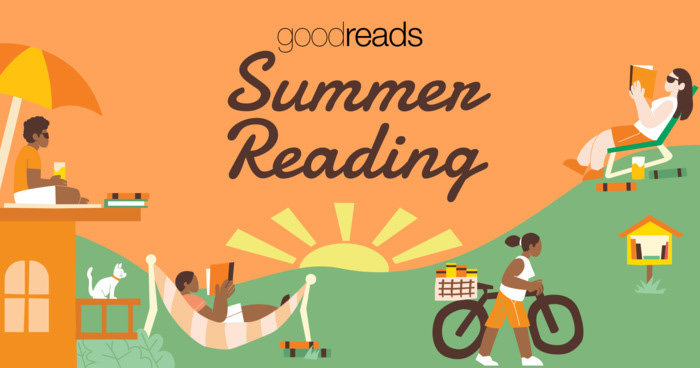
A positive compounding result of the adoption of this strategy was that it allowed a straightforward means of monetizing existing editorial events. For example, the second or third week of February is usually 'Romance Week' on Goodreads. Previously the editorial team only had the technical capacity to 'sell' engagement on the Editorial pages themselves. With Genre Sponsorships, the Editorial team could now ensure that during Romance Week, their sponsor could advertise on all pages related to the Romance genre.
Results
This project went from being a small optimization of a struggling ad product to a complete overhaul of the framework with which Goodreads sold premium display advertising products.
The initiative created new revenue streams and resulted in the first true sponsored content produced by our Editorial team.
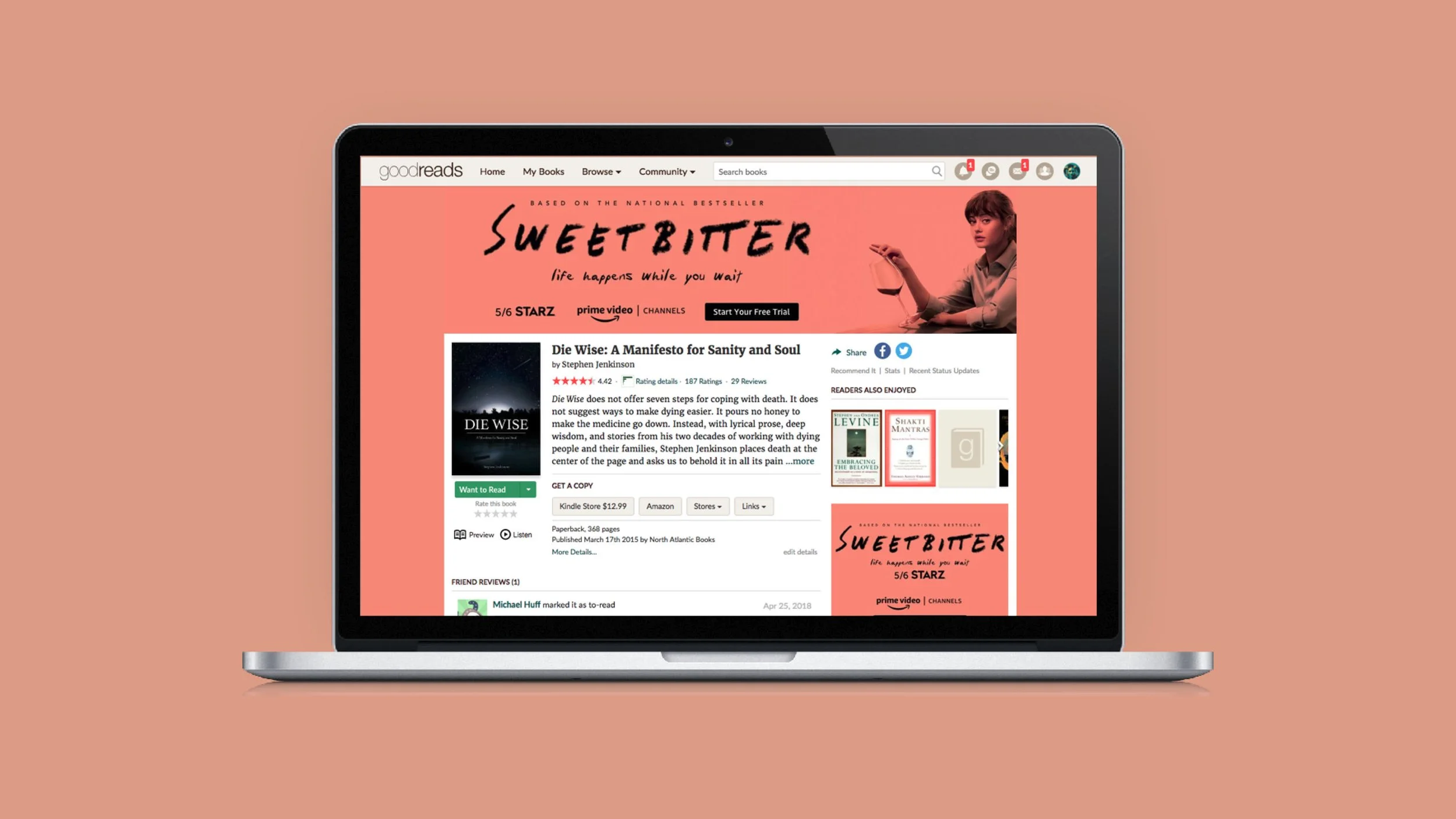
The average price point for the new product package that year was approximately 5X that of the old microsites. The following year, 2018, these programs alone drove over $2.5MM in revenue.
A selection of campaign screenshots from 2018.
Takeaways
This project affirmed for me the importance of approaching every project with an open mind. Design thinking doesn't limit itself to the boundaries of a given project, because every project exists within a larger system.
A clients expression of what they want is not necessarily the shape of the product solution that they need. If I had stuck to the initial design directive, the result would have been a very polished but ultimately terminal product. By taking a step back and considering the broader function of the product within Goodreads as a business, I was able to identify a solution that addressed the fundamental needs of the company.
Since then, I've tried to approach every new project by asking: What assumptions are we making about this project? And if we were to question those assumptions, what opportunities might arise?